


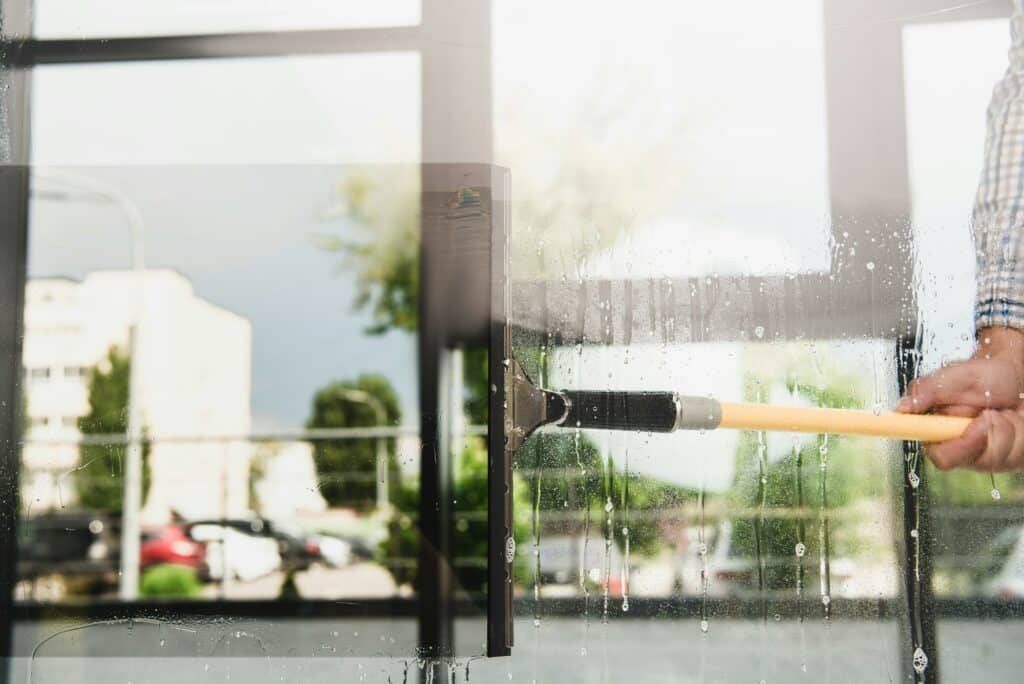
When most DFW homeowners think about reducing their energy bills, they think about insulation, HVAC upgrades, smart thermostats, and weatherstripping. Clean windows rarely enter the conversation. But according to research from the U.S. Department of Energy, windows are responsible for 25 to 30 percent of the total heating and cooling load of a typical home — and the condition of your window glass directly affects how efficiently that load is managed.
In the Dallas-Fort Worth area, where air conditioning runs for the better part of eight months a year and summer energy bills regularly shock homeowners, anything that helps your home manage heat more efficiently has real dollar value. Professional window cleaning is one of the most overlooked and most affordable ways to improve your home's thermal performance — and this guide explains exactly why.
At Affinity Window Services, we want every DFW homeowner to understand the full value of keeping their windows clean — not just for curb appeal, but for the comfort and cost efficiency of their home year-round.
How Dirty Windows Actually Affect Heat in a DFW Home
To understand why clean windows matter for energy efficiency, it helps to understand how your windows manage heat in the first place.
Modern residential windows — especially the double-pane, Low-E glass that's standard in most DFW new construction and renovations — are engineered to selectively filter solar energy. They allow visible light to pass through while reflecting infrared heat radiation, keeping your home brighter without letting in as much heat. This Low-E coating is applied directly to the glass surface and does its most effective work when the glass is clean.
When dirt, pollen, dust, and organic film accumulate on your window glass, several things happen that directly impact your home's energy performance:
Reduced solar heat management — The dirt layer on your glass disrupts the Low-E coating's ability to selectively filter solar radiation. Instead of reflecting heat as designed, dirty glass absorbs more solar energy and transfers it as heat into your home. In DFW's intense summer sun, this effect is amplified significantly — dirty windows contribute measurably more heat gain to your interior than clean windows.
Reduced natural light transmission — Dirty windows block a meaningful percentage of visible light transmission. The practical result is that your home feels darker, which leads most homeowners to compensate by running more artificial lighting throughout the day. More artificial lighting means more electricity consumption and more heat generated inside the home — both of which add to your cooling load.
Reduced passive solar heating in winter — DFW winters are mild but real. During cooler months, clean windows that allow maximum solar light transmission help warm your home's interior through passive solar gain, reducing the load on your heating system. Dirty windows that block solar light reduce this free heating effect and force your HVAC to compensate.
HVAC system overwork — The cumulative effect of increased solar heat gain, reduced natural light, and reduced passive winter heating is that your HVAC system works harder and runs longer than it would with clean windows. Over the course of a DFW summer, that additional workload translates directly into higher energy bills and accelerated wear on your heating and cooling equipment.
The Numbers Behind Window Cleaning and Energy Efficiency
The U.S. Department of Energy's research on windows and energy consumption puts the window contribution to home heating and cooling load at 25 to 30 percent. Texas Best Window Cleaning, a DFW-area service company, has written about this connection for years, noting that dirty windows reduce the passive solar benefit that contributes to home heat management and force HVAC systems to work harder over time.
What this means practically for a DFW homeowner is straightforward: if your windows are consistently dirty — coated in a layer of pollen, dust, and mineral film — your home's thermal envelope is underperforming. The Low-E coatings you paid for in your windows aren't working at their rated efficiency. Your HVAC system is compensating for heat gain that clean windows would have reflected. And your home is darker, so you're running more lights.
Professional window cleaning doesn't replace HVAC upgrades or insulation improvements. But it's the lowest-cost, most immediately actionable step a DFW homeowner can take to help every other energy-efficiency feature in their home perform as designed.
Clean Windows and DFW Summer Comfort
Beyond the quantifiable energy bill impact, there's a comfort dimension to clean windows in DFW summers that homeowners consistently report after a professional cleaning.
Rooms with clean windows feel more comfortable in summer — not just brighter. The reduction in direct solar heat gain through dirty glass means the room temperature near windows stays more consistent with the rest of the home, eliminating the "hot spot" effect that many DFW homeowners notice near windows with heavy buildup. Clean windows that are managing solar heat as designed create a more even interior temperature that makes your HVAC's job easier and makes the room more comfortable to occupy.
This effect is most pronounced in west-facing rooms that receive intense afternoon sun — a common feature in DFW homes where summer afternoon sun can make west-facing rooms noticeably warmer than the rest of the house. Clean windows with functioning Low-E coatings help manage this heat gain meaningfully compared to dirty glass that's absorbing rather than reflecting.
The Connection Between Window Cleaning and HVAC Longevity
Every additional hour your HVAC system runs in a DFW summer is an hour of wear on the equipment. In a climate where air conditioning is essentially non-optional for five or more months a year, anything that reduces the total run hours of your HVAC system extends its useful life and delays costly replacement.
Clean windows that manage solar heat gain efficiently — as designed — reduce the heat load your HVAC has to counteract. Over a full DFW summer, this reduction in run hours is meaningful. It's not going to eliminate your energy bill, but it contributes to the cumulative efficiency of your home's systems in a way that compounds over time.
Think of regular professional window cleaning as part of your home maintenance stack — not just a cosmetic service, but a maintenance step that helps the equipment you've invested in perform at its rated efficiency.
Maximizing Window Energy Efficiency in DFW: A Complete Approach
Professional window cleaning is the foundation, but here are the other steps DFW homeowners can take to maximize the energy efficiency contribution of their windows:
Keep window tracks and seals clean — Dirt buildup in window tracks and around weatherstripping degrades the seal between the window and the frame, allowing air infiltration that bypasses your HVAC entirely. Regular track cleaning is part of Affinity's standard service.
Check caulking around window frames annually — Cracked or failing caulk around exterior window frames is one of the most common air leak points in DFW homes. Annual inspection and recaulking where needed keeps your thermal envelope tight.
Use window treatments strategically — Light-filtering shades on west-facing windows during peak afternoon sun hours reduce solar heat gain without sacrificing daylight entirely. Combined with clean, properly functioning Low-E glass, this is an effective passive cooling strategy.
Inspect for window seal failure — Fogging or cloudiness between the panes of a double-pane window is a sign that the insulating gas seal has failed. A failed seal significantly reduces the window's insulating value. This is a repair or replacement issue, not a cleaning issue — but professional window cleaners often spot it during service and alert homeowners.

Ready to help your DFW home run more efficiently — starting with your windows?
Professional window cleaning from Affinity Window Services is one of the most affordable steps you can take to improve natural light, reduce heat gain, and help your HVAC work less this summer. Get your free, no-obligation estimate today.


.svg)
.svg)